In the competitive feed production industry, optimizing low-cost cattle feed pellet formula while ensuring nutritional adequacy is fundamental for feed mills, project investors, and engineering designers. A Tailored Cattle Feed Pellet Formula provides a scientific blueprint that connects raw material selection, nutrition balancing, process parameters, and production line configuration.
Low-Cost Tailored Cattle Feed Pellet Formula & Production Efficiency
This guide provides a structured, engineering-ready approach to designing cattle feed formulas for calves, dairy cows, and beef fattening, helping feed mills reduce production costs while maintaining stable performance.

Nutritional Requirements of Cattle at Different Growth Stages
Cattle at different life stages and production goals have significantly different metabolic rates and nutrient utilization mechanisms. Therefore, designing a tailored cattle feed pellet formula requires an in-depth understanding of their energy demand, protein digestibility, fiber requirement, and mineral–vitamin balance.
Calves (0–6 months): rumen development phase
Calves require highly digestible protein, moderate energy, and quality fiber sources to stimulate rumen papillae formation. Ingredients such as soybean meal, alfalfa meal, and maize play central roles. Overly coarse fiber or excessive starch leads to digestive stress, slow growth, and feed conversion loss.
Dairy cows: lactation-driven high metabolism
Dairy cows experience nutrient partitioning toward milk production. Their formula must focus on:
-
high net-energy lactation (NEL)
-
rumen-undegradable protein (RUP)
-
stable effective fiber to maintain rumen pH
Sudden changes in energy density or low fiber effectiveness may cause acidosis, milk drop, and reproductive issues—directly impacting farm profitability.
Beef cattle for fattening: maximizing daily gain
Beef fattening nutrition emphasizes high-energy density, controlled fiber, and balanced bypass protein. The objective is to maintain sustained weight gain while ensuring carcass quality. Cost-effective energy sources like maize, barley, or by-product meals can significantly reduce formulation cost without compromising results.
Structure & Optimization Strategy of Cattle Feed Pellet Formula
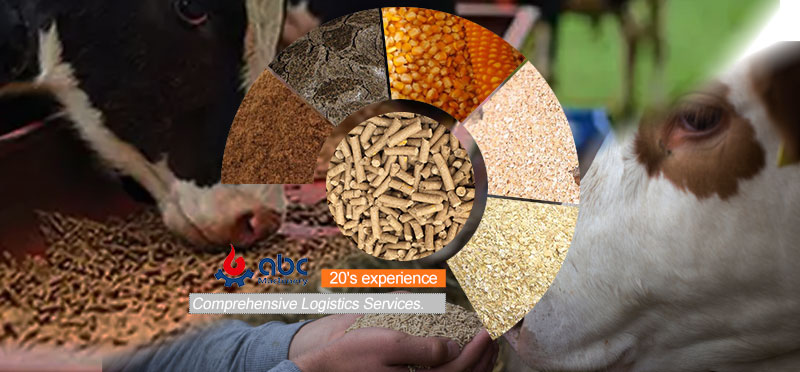
Cattle Nutritional Requirements: Calves vs Dairy vs Beef Cattle
A scientific feed pellet formula combines energy sources, protein meals, fiber ingredients, minerals, vitamins, and functional additives. To remain competitive, feed mills must structure formulas not only based on animal performance but also on raw material economy and process compatibility.
Raw material structure
An optimized cattle feed pellet manufacturing formula typically consists of:
-
Energy ingredients: maize, barley, wheat bran
-
Protein ingredients: soybean meal, cottonseed meal, DDGS
-
Fiber materials: alfalfa meal, rice husk powder
-
Additives: premix, rumen buffer, enzymes, probiotics
Formula optimization strategies
-
Value-based formulation
Replace costly ingredients with equal-nutrient alternatives (DDGS ↔ soymeal). -
Inclusion rate adjustment
Optimize protein-to-energy balance using NRC-based calculations. -
Functional additives
Use enzymes and probiotics to enhance digestibility, reducing required protein inclusion.
These steps help achieve a low-cost yet nutritionally stable pellet formula.
Formula Implementation & Process Matching for Calves, Dairy Cows & Beef Fattening
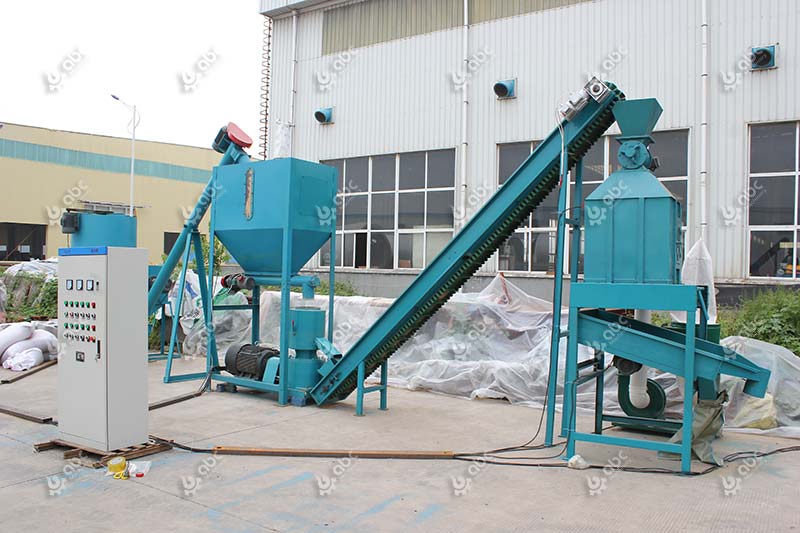
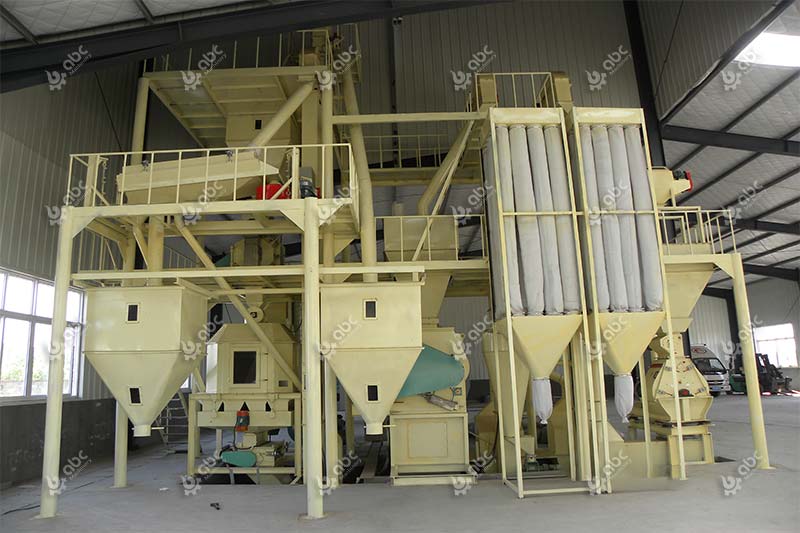
A formula can only achieve its expected performance when properly matched with pelletizing conditions and equipment configurations.
Process–formula matching key points
| Cattle Category | Optimal Pellet Diameter | Conditioning Temperature | Compression Ratio | Remarks |
|---|---|---|---|---|
|
Calves |
4–6 mm |
65–75°C |
1:10–1:12 |
Enhances digestibility, prevents choking |
|
Dairy cows |
6–8 mm |
70–85°C |
1:12–1:14 |
Improves pellet durability, keeps rumen stable |
|
Beef fattening cattle |
8 mm |
70–90°C |
1:12–1:14 |
Supports slower release & sustained energy |
Production line adaptability
-
Small feed mills: recommend simple single-layer conditioners and low-compression dies.
-
Medium plants: dual-shaft paddle mixers + steam conditioners for higher uniformity.
-
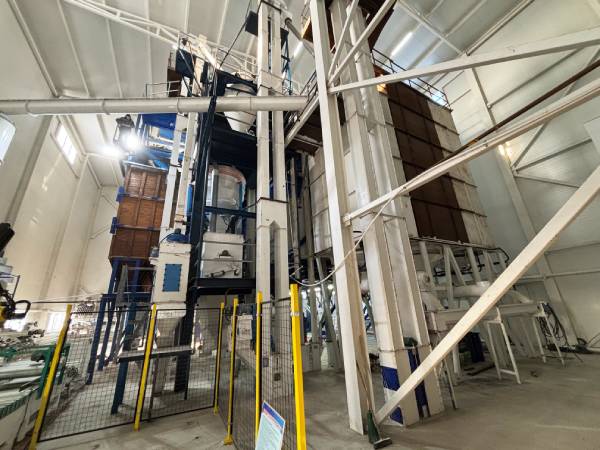
Large automated lines: fully continuous grinding–mixing–conditioning–pelletizing–cooling systems with PLC central control.
Correct equipment configuration ensures stability in pellet hardness, durability, and nutrient retention.
Engineering Application: Tailored Formula Implementation in Feed Mill Projects
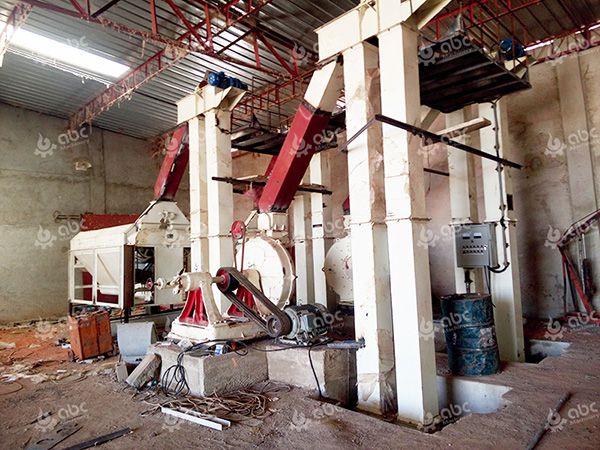
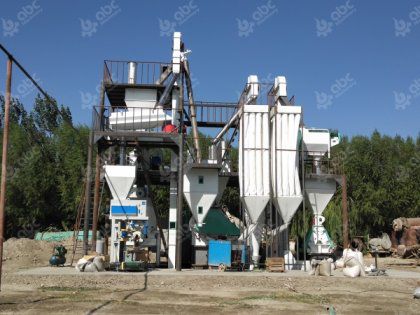
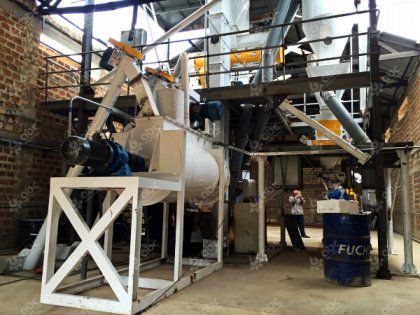
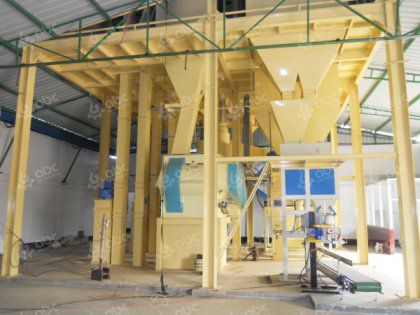
Tailored formula design becomes truly valuable when aligned with engineering solutions. Below are typical scenarios from real feed mill projects.

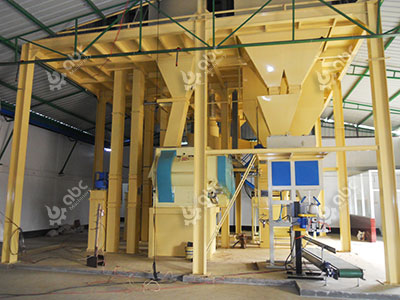
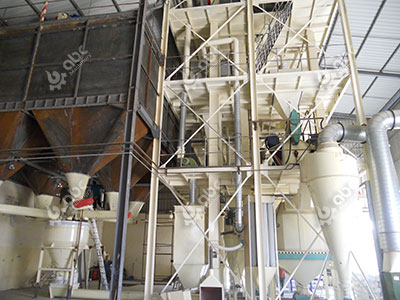
These cases show how tailored formulas, combined with engineering design, can improve profitability, feed conversion, pellet durability, and overall production efficiency.
A Tailored Cattle Feed Pellet Formula integrates nutrition science, raw material optimization, and pelletizing technology into a unified engineering solution. By understanding cattle growth stages, refining formula structures, and matching production processes, feed mills can reduce costs, stabilize performance, and enhance their market competitiveness.
 Feed Processing Technology