How can feed mills maintain protein quality while keeping feed costs under control? Global fluctuations in feed raw material prices have pushed many feed mills and cattle farms to search for a stable, cost-effective, and high-protein ingredient. Soybean meal has become the preferred solution — not only for its high nutritional density, but also for its exceptional processing behavior in modern cattle feed pellet production lines.
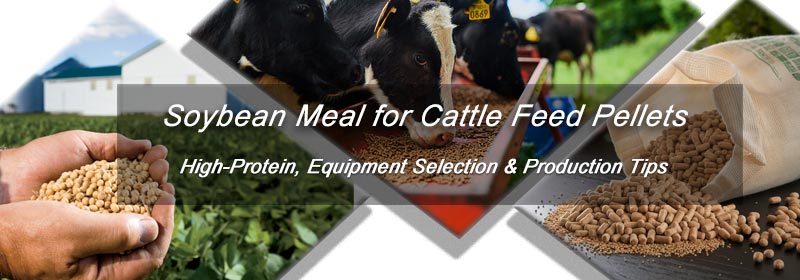
Soybean Meal for Cattle Feed Pellets
With crude protein reaching 44–48% and essential amino acids like lysine exceeding 2.8%, soybean meal provides dependable protein support, reduces formulation costs, and helps feed mills stabilize their cattle feed business. When properly engineered into a cattle feed pellet formula, it can reduce production costs by 8–12%, enhance pellet durability, and support high-performance cattle diets.
ABC Machinery specializes in designing feed mill machines and turnkey production lines. Tell us your requirements, and our engineers will offer free formulation guidance plus complete livestock feed processing solutions for beef cattle, dairy cows, sheep, poultry, and swine. For tailored feasibility analysis or project details, feel free to send your inquiry anytime!

Why Is Soybean Meal a High-Value Ingredient in Cattle Feed Pellets? (What Makes It a Cost-Effective Choice?)
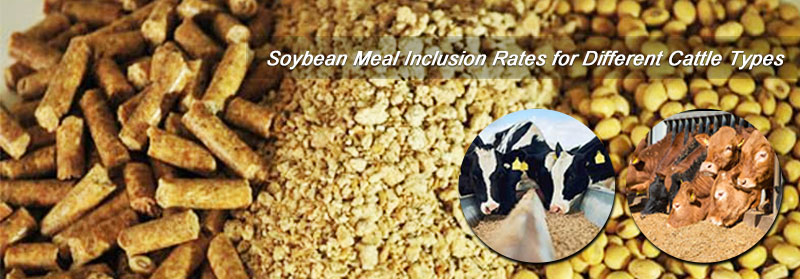
Soybean Meal Inclusion Rates for Different Cattle Types
-
Multidimensional nutritional advantages: High protein concentration, energy value up to 2.9 Mcal/kg, and stable oil content that supports both nutrition supply and practical processing performance.
-
Strong pellet stability: Helps maintain pellet durability at 92%–95%, enhancing storage and transportation adaptability.
-
Flexible inclusion rates: Adjustable for different cattle types; 12%–18% for beef cattle diets and above 20% for dairy cows during peak lactation.
-
Cost reduction & stable supply: Reduces formulation costs by 8–12% in large-scale production; provides higher supply stability during raw material price fluctuations, suitable for feed mills with annual output over 50,000 tons.
-
Good compatibility: When mixed with cottonseed meal or DDGS, soybean meal offers excellent mixing uniformity, with a coefficient of variation (CV) usually below 10%.
-
Improved pelleting efficiency: Stabilizes conditioning temperature at 78°C–82°C, improves steam penetration by about 12%, and optimizes feed processing.
From Formula to Mass Production: Turning Soybean Meal Into High-Protein Cattle Pellets
ABC Machinery provides an integrated solution combining formula design, feed milling machines, pelleting technology, and whole-plant engineering, helping feed mills achieve high protein output with low manufacturing risks.
1. Phase-Based Precise Formulas to Avoid Nutritional Waste
Different cattle groups have different nutrient needs. Our engineer team customizes formulas to maximize the value of soybean meal:
-
Calves (18%–20% soybean meal): Combined with corn and alfalfa; pellet hardness ≥ 6 kgf; boosts gut development and improves protein absorption by 10%.
-
Beef cattle (12%–16% soybean meal): Works synergistically with corn (50%–55%) and cottonseed meal; balances energy and protein; accelerates muscle deposition; shortens the finishing cycle by 7–10 days.
-
Lactating dairy cows (18%–22% soybean meal): Optimizes amino acid balance; supports daily milk yield above 32 kg; improves both milk quality and production; increases overall profitability by 20%+.
For more formulation insights, explore:
2. Equipment Matching to Overcome High-Protein Pelleting Challenges
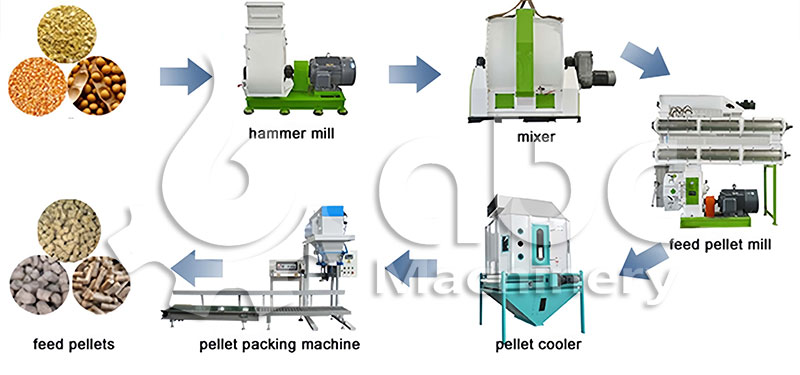
Soybean Meal Processing Steps for Cattle Feed Pellets
High-protein formulas impose stricter requirements on equipment. Our modular production line provides dedicated solutions:
Grinding:
-
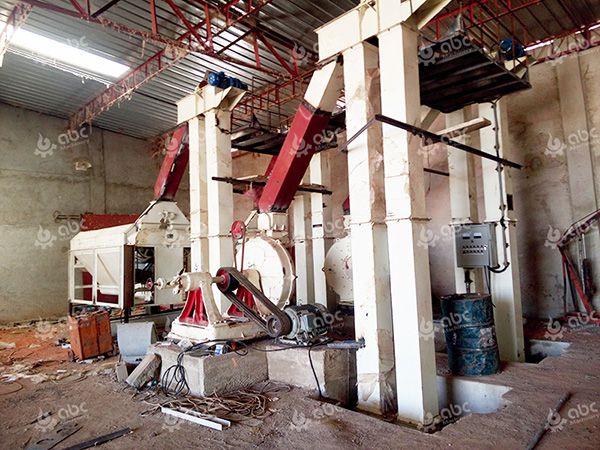
In cattle feed production, the sieve aperture of the grinder should be 2.0–3.0 mm, producing soybean meal particle size of 350–450 μm to improve pellet uniformity.
Conditioning system:
-
Conditioning time must be 45–60 seconds, steam pressure 0.25–0.35 MPa.
-
If soybean meal exceeds 20%, a high-shear paddle conditioner is recommended to increase steam penetration by 10%–15%.
Pelleting:
-
When soybean meal content exceeds 20%, the pelleting machine motor typically requires 10–15% more power.
-
For a 12–15 TPH production line, a 160 kW motor may be necessary.
-
The ring die compression ratio should be adjusted to 1:10 – 1:12 to maintain pellet durability above 95%.
Recommended Engineering Parameter Table
| Cattle Type | Soybean Meal (%) | Corn (%) | Cottonseed Meal (%) | Conditioning Temp (°C) | Pellet Diameter (mm) |
|---|---|---|---|---|---|
| Calves | 18–20 | 40–45 | 5–8 | 78–82 | 3.0–4.0 |
| Beef Cattle | 12–16 | 50–55 | 6–10 | 75–80 | 4.0–4.5 |
| Lactating Cows | 18–22 | 36–40 | 8–12 | 80–85 | 4.0–5.0 |
3. Full-Process Quality Control for Zero-Deviation Mass Production
-
Raw material preprocessing: Moisture control at 11%–13%, impurity removal rate 98%+, preventing mold from the source.
-
Real-time monitoring: Integrated NIR + MES system; monitors protein utilization and processing parameters; ensures 100% formula accuracy.
-
Storage management: Silo ventilation at 3–5 times/hour; stable water activity maintains soybean meal quality.
Global Market Outlook: Why Is Soybean Meal the Best High-Protein Strategy for Feed Mills in 2025 & Beyond?
1. Rising Global Demand for High-Protein Cattle Feed
Milk production, beef finishing performance, and intensive dairy farming all require consistent high-protein diets. Soybean meal offers the most reliable combination of nutrition and cost.
2. Affordable Ingredient for Low-Cost Cattle Feed Formulas
With energy shortages and rising logistics costs, expensive protein sources are unsustainable.
Soybean meal supports competitive low-cost cattle feed formulas without compromising performance.
3. Ideal for Medium & Large Commercial Feed Plants
Feed mills producing 50,000+ tons/year benefit the most from soybean meal’s supply stability and processing uniformity.
For additional insights on feed business strategy, visit: Animal Feed Mill Business Strategies
Successful Global Soybean Meal High-protein Feed Plant Projects: 12–18 Months Payback Period
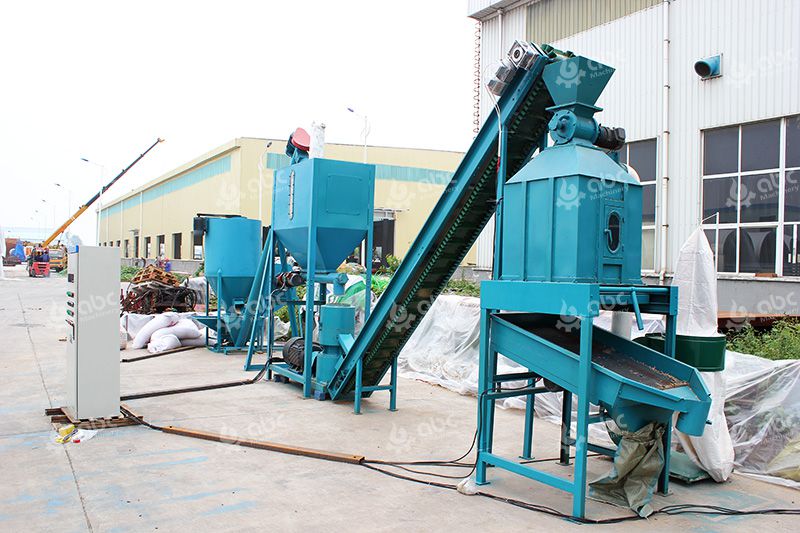
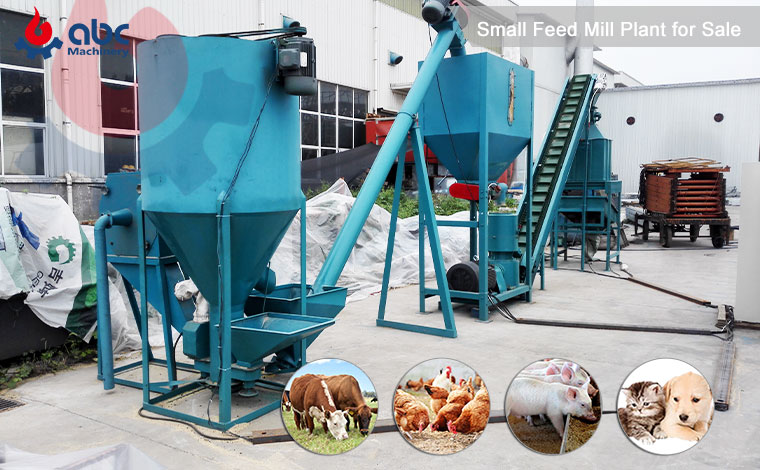
Cost-Saving Soybean Meal Cattle Feed Line (Small)
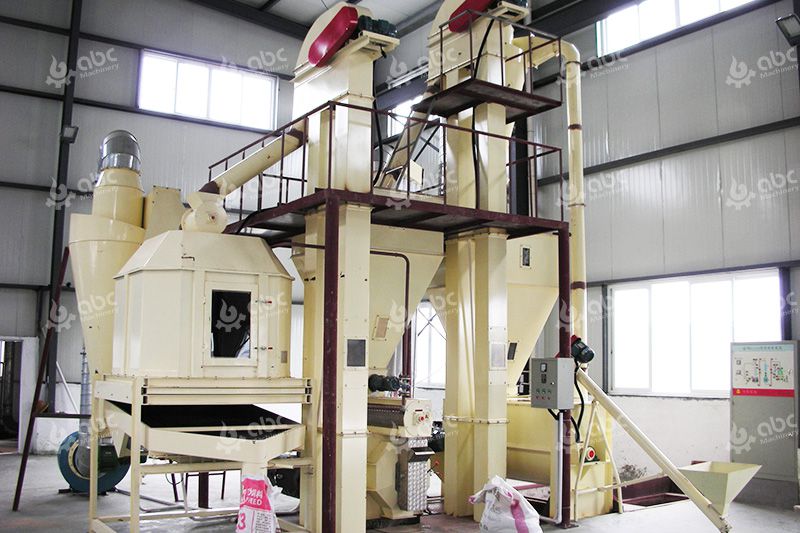
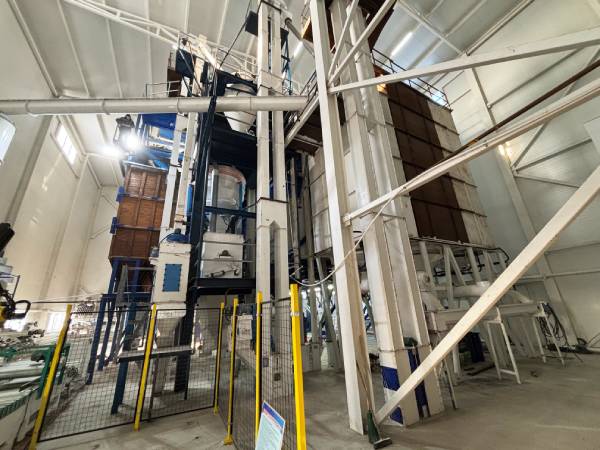
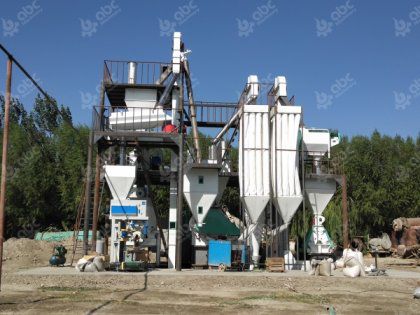
Industrial Soybean Meal Cattle Feed Pellet Plant
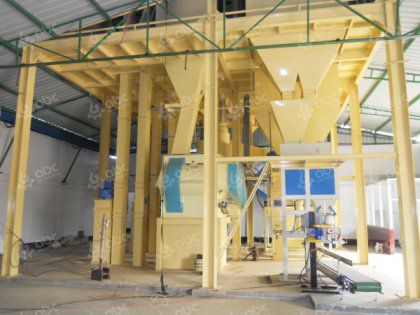
Dairy Farm Project in China (4 TPH Line)
4 TPH soybean-meal-based feed line; supports soybean-corn-alfalfa formula and NIR real-time detection;
Results: +8% milk yield, −10% feed cost, >2 million RMB additional annual profit, 16-month ROI.
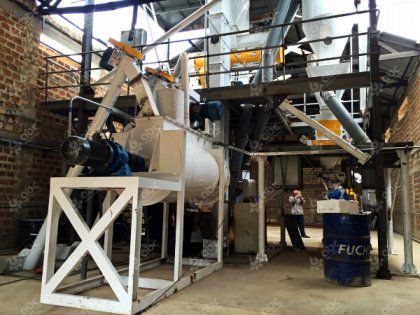
Nigeria Commercial Feed Mill (2 TPH Line)
2 TPH modular line using local soybean meal and corn; integrates precise premixing and high-efficiency pelleting equipment;
Results: −12% raw material cost, scalable line capacity, 14-month equipment ROI.
ABC Machinery has built feed plants in Mali, Uganda, Uzbekistan, South Africa, and more — from 1–100 TPH feed mills to large industrial complexes.
Ready to Turn Soybean Meal Into High-Protein, Low-Cost Cattle Feed Pellets? Whether you are starting a new feed mill, upgrading your plant, or optimizing your cattle feed pellet formula, soybean meal provides the best combination of nutrition, stability, and profitability.
ABC Machinery is ready to provide your customized formula, engineering design, and full-process equipment cofiguration. Contact us now to receive your tailored project analysis and complete cattle feed pellet line design!
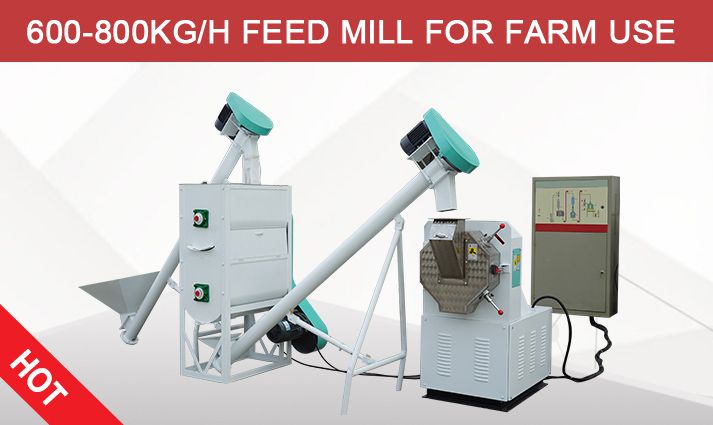 Feed Processing Technology