In the competitive feed production industry, optimizing low cost cattle feed formula while ensuring nutritional adequacy is a top priority for feed mill investors and engineers. The Tailored Cattle Feed Pellet Formula serves as the foundation for cost-effective and high-performance feed production, integrating raw material selection, formulation design, processing technology, and feeding management.

4 Practical Tips to Optimize Cattle Feed Production Costs
This article details 4 practical control schemes to help feed mills reduce production costs by 15-30% without compromising cattle growth performance.

Tip1: Local Low-Cost Raw Material Selection & Substitution
Selecting high-quality local raw materials is the first step to optimize low cost cattle feed formula. Feed mills can replace 20-40% of high-priced ingredients (such as imported soybean meal) with local alternatives like cottonseed meal, rapeseed meal, or distillers dried grains with solubles (DDGS), which can lower raw material costs by $80-120 per ton. (Read More: 3~5TPH Cottonseed Hull Pellet Production Plant Makes Cattle Feed in Mali)
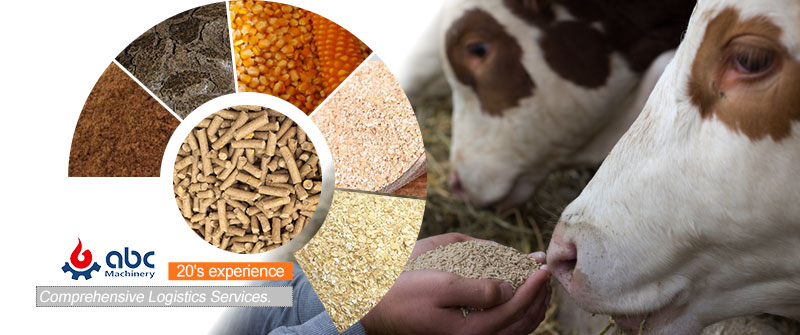
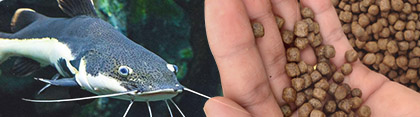
Local Raw Material Substitution for Cattle Feed Cost Cut
Key selection criteria include crude protein content (minimum 18-22% for protein sources), moisture content (below 12% to prevent spoilage), and anti-nutritional factor levels (e.g., gossypol in cottonseed meal must be less than 0.04%). Pretreatment processes such as fermentation or detoxification can improve the digestibility of local raw materials by 10-15%, ensuring compatibility with the Tailored Cattle Feed Pellet Formula.
Partner with ABC Machinery to conduct local raw material resource mapping and substitution feasibility analysis for your feed mill.

Tip2: Precision Nutrition Tailored Cattle Feed Formula Optimization
Precision nutrition design is the core of balancing cost and performance in Tailored Cattle Feed Pellet Formula, making it the A-level content requiring in-depth technical analysis.
Nutrient Requirement Calculation by Cattle Growth Stages
Different growth stages of cattle have distinct nutritional demands, and accurate calculation is critical for cost control. For example, calves (0-3 months) require 18-20% crude protein and 3.2-3.4 Mcal/kg metabolizable energy, while fattening cattle (6-12 months) need 12-14% crude protein and 2.8-3.0 Mcal/kg metabolizable energy. Over-formulating nutrients can increase costs by 10-15%, while under-formulating may reduce daily gain by 0.1-0.3 kg.
Cost-Nutrition Balance Formula Design
The formula design must balance nutrient density and cost, using linear programming tools to optimize ingredient ratios. Below is a comparison of traditional and optimized formulas for fattening cattle:
| Ingredient | Traditional Formula (Ratio) | Optimized Formula (Ratio) | Cost Difference ($/ton) |
|---|---|---|---|
| Corn | 60% | 55% | -$25 |
| Soybean Meal | 20% | 10% | -$60 |
| Cottonseed Meal | 0% | 15% | +$15 |
| DDGS | 5% | 12% | -$18 |
| Premix | 5% | 5% | $0 |
| Total Cost | $420/ton | $352/ton | -$68/ton |
Near-Infrared Reflectance (NIR) technology is recommended for rapid nutrient detection of raw materials, with a detection time of 3-5 minutes per sample and an accuracy rate of over 95%. This technology helps adjust the formula in real-time, avoiding cost waste caused by nutrient fluctuations in raw materials.
4 Key steps for formula optimization include:
-
Raw Material Nutrient Testing: Conduct NIR testing for each batch of raw materials to obtain accurate data on protein, energy, and amino acids.
-
Nutrient Deficiency Compensation: Use low-cost additives (e.g., lysine hydrochloride at $2.5/kg) to compensate for limiting amino acids instead of increasing high-priced protein sources.
-
Anti-Nutritional Factor Inactivation: Add 0.1-0.2% phytase to reduce phosphorus supplementation costs by 30-40% while improving mineral absorption.
-
Formula Validation: Conduct 21-day feeding trials to verify daily gain (target: 1.2-1.5 kg/day for fattening cattle) and feed conversion ratio (FCR: below 6.0).
The core of Tailored Cattle Feed Pellet Formula optimization lies in matching nutrient supply with cattle demand, achieving cost reduction through scientific ratio adjustment rather than simply reducing high-quality ingredients. Our engineering team provides customized formula design services, integrating your local raw material resources and production goals to create the most cost-effective solution.
Tip3: Energy-Saving Cattle Feed Pellet Processing Optimization
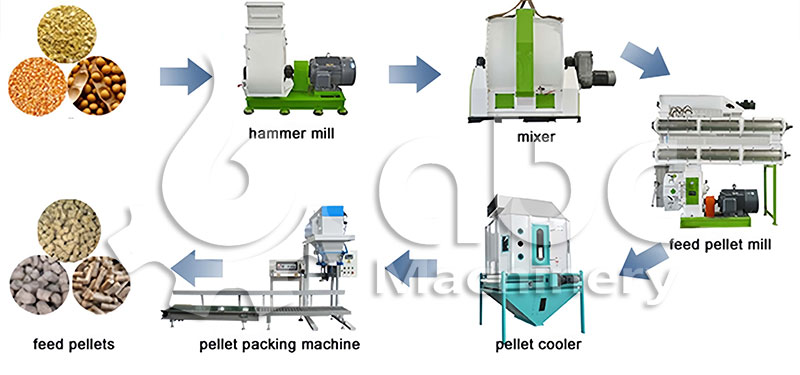
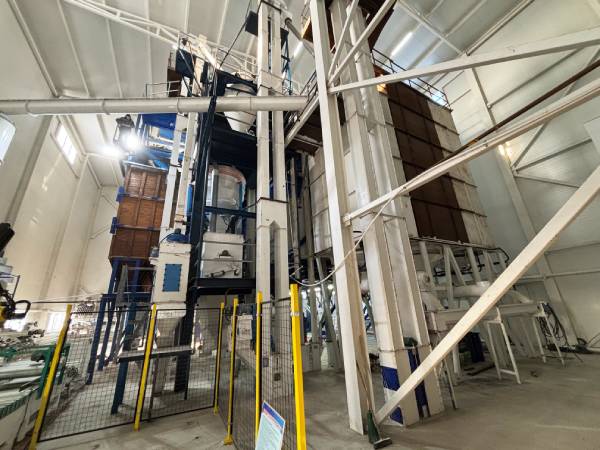
Low Cost Cattle Feed Pellet Processing Steps
Optimizing processing parameters can reduce energy consumption by 15-20% for low cost cattle feed formula production.
-
Adjust the crushing granularity of raw materials to 1.5-2.0 mm (for fattening cattle feed), which can reduce pellet mill energy consumption by 8-10 kWh/ton while improving pellet durability (target: above 90%).
-
Optimize the conditioning temperature (85-90°C) and moisture content (16-18%) to shorten the pelleting time by 10-15 seconds per batch.
-
For existing equipment, upgrading the pellet mill die (with a compression ratio of 1:6-1:8) can increase production capacity by 5-8 tons/day and reduce wear costs by $500-800 per month.
Contact us to assess your processing line and provide equipment upgrade suggestions tailored to low-cost formula production.
Tip4: Feeding Management for Enhanced Feed Conversion Rate
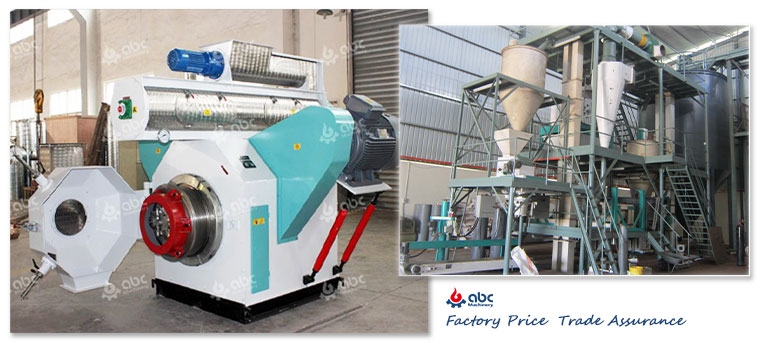
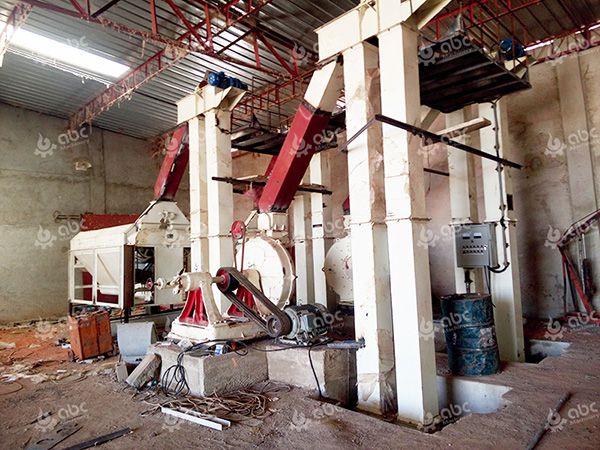
High-Efficiency Mill for Low-Cost Cattle Feed
Scientific feeding management can improve the feed conversion rate (FCR) by 5-10%, indirectly reducing costs for low cost cattle feed formula.
Control the daily feeding amount based on cattle weight: for fattening cattle weighing 300-400 kg, the daily feeding amount should be 2.5-3.0% of body weight, avoiding overfeeding (which increases FCR by 0.3-0.5) and underfeeding (which reduces daily gain by 0.2-0.4 kg). Divide the daily feed into 2-3 meals, with an interval of 8-12 hours, to maintain stable rumen fermentation and improve nutrient digestibility.
Regularly analyze cattle feces (every 7-10 days) to detect nutrient digestion status. If undigested grain particles are found in feces (more than 5% by weight), adjust the crushing granularity or increase the conditioning time. Use a fecal nitrogen test (target: 1.8-2.2% nitrogen content) to evaluate protein utilization efficiency, adjusting the formula to reduce protein waste.
Dynamic adjustment of the feeding program based on seasonal changes and cattle growth status is crucial—for example, increasing energy intake by 5-8% in winter to compensate for heat loss. By integrating feeding management with Tailored Cattle Feed Pellet Formula, feed mills can achieve the dual goals of cost reduction and efficiency improvement.
The successful implementation of low cost cattle feed formula relies on the synergy of raw material selection, precision formulation, energy-saving processing, and scientific feeding. By adopting the above 4 control schemes, feed mills can significantly reduce production costs while maintaining or improving cattle performance. The Tailored Cattle Feed Pellet Formula, as the core of the solution, ensures that cost reduction does not compromise nutritional quality, helping feed mill investors and engineers gain a competitive edge in the market.
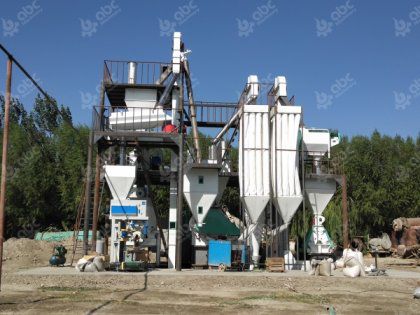
 Feed Processing Technology