-
Project Name: 10TPD Automatic Batching Mash Feed Line
-
Raw Material: Grains & Feed Ingredients
-
Client: A Feed Producer in Kazakhstan
-
Location: Kazakhstan
-
Capacity: 10 Tons Per Day (TPD)
-
Process Flow: Intake → Grinding → Screening → Automatic Batching & Mixing → Bagging & Palletizing
-
Core Equipment: Hammer Mill, Rotary Screen, Mixer, Packing Machine, Palletizer
-
Control System: PLC Automatic Batching & Recipe Management
-
Finished Product: Mash (Powder) Feed
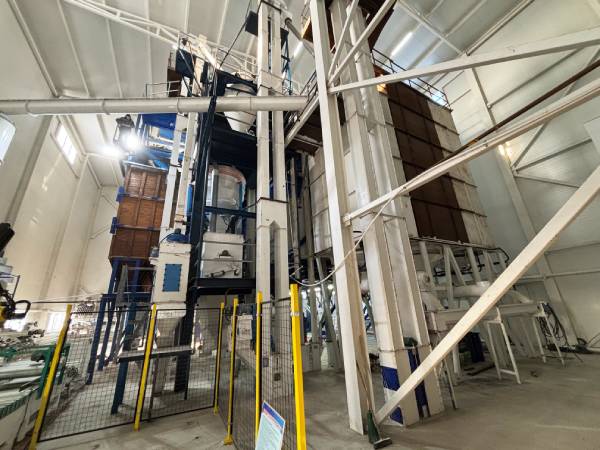
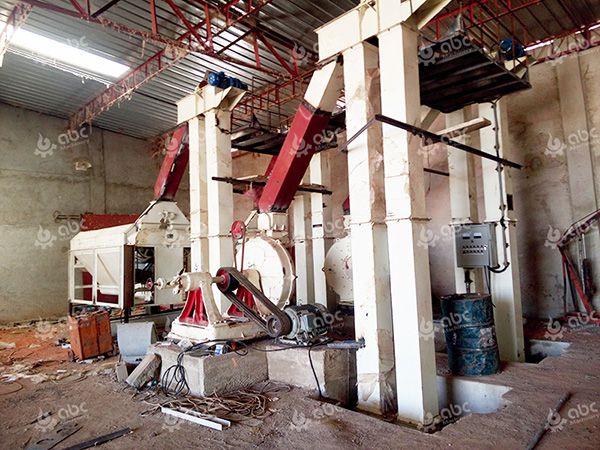
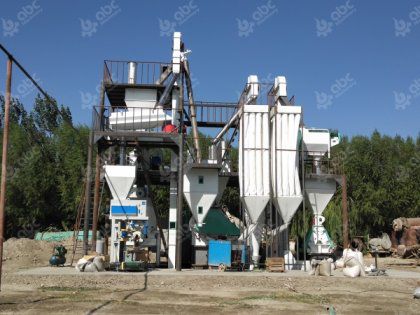
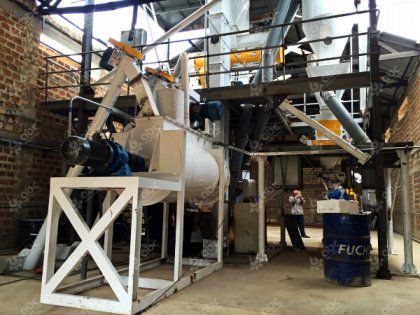
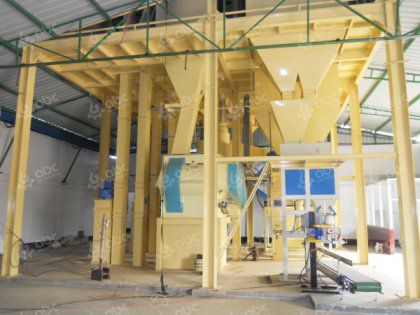
10TPD Animal Feed Mill Plant in Kazakhstan — Process & Equipment [Photo Display]
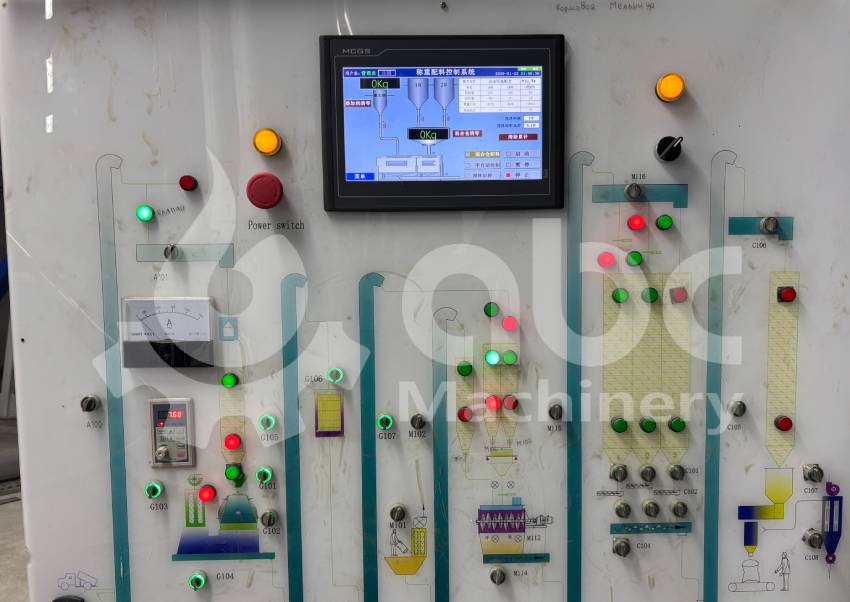
PLC Automatic Batching Feed Production Line Flow Chart
ABC Machinery supplied and integrated a complete 10TPD automatic batching mash feed line for animal feed processing in Kazakhstan. The plant links five stages — intake, grinding, screening, automatic batching and mixing, and bagging — into one continuous, PLC‑controlled flow. Below is the process logic and equipment function of each section:
-
Intake & Storage Section: Raw grain enters the client's ground receiving pit and is lifted by an outdoor bucket elevator, passing through a pneumatic three‑way diverter and scraper conveyor into the pre‑grinding bin. A magnetic separator removes tramp iron to protect downstream equipment, and high/low level sensors monitor the bin fill.
-
Grinding Section: A pneumatic gate and screw feeder deliver material evenly into the hammer mill, the core feed grinding machine, where the interchangeable screen mesh controls the final particle size. A pulse‑jet dust collector maintains negative pressure inside the mill to improve throughput and control dust, while the air‑sealed screw conveyor and bucket elevator carry the ground mash to the rotary screen.
-
Screening Section: The rotary screen separates oversized particles, which return to the hammer mill for re‑grinding, while the on‑spec powder is elevated into the two mixing bins.
-
Automatic Batching & Mixing Section: This is the core of the line. A computerized batching scale draws material from the two mixing bins, while a loss‑in‑weight scale doses minor ingredients into the feed mixing machine. The PLC system manages recipes, batch size, weighing and mixing time, with manual/automatic switching and one‑touch batch control. After mixing, the discharge scraper and elevator transfer the finished mash into three storage bins.
-
Bagging & Palletizing Section: Finished mash feed flows from the storage bins through vibrators, screw conveyors and a bucket elevator to the packing machine, where a packing scale weighs each bag before the palletizer stacks the bags for shipment.
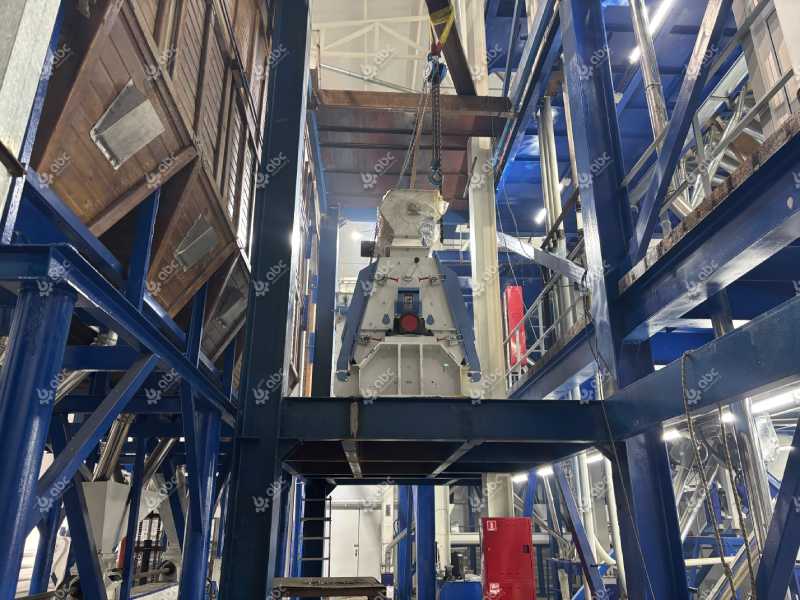
Hammer Mill Grinding Section of the 10TPD Feed Line
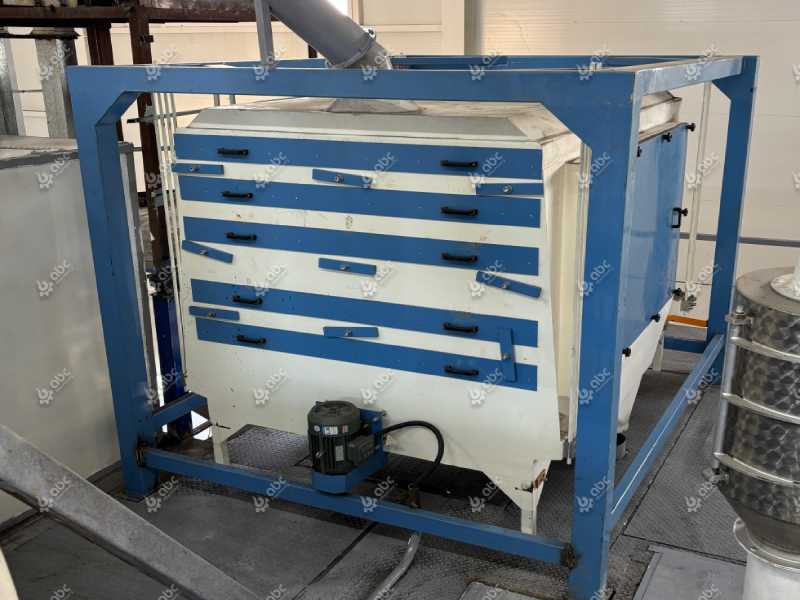
Rotary Screen for Mash Feed Grading
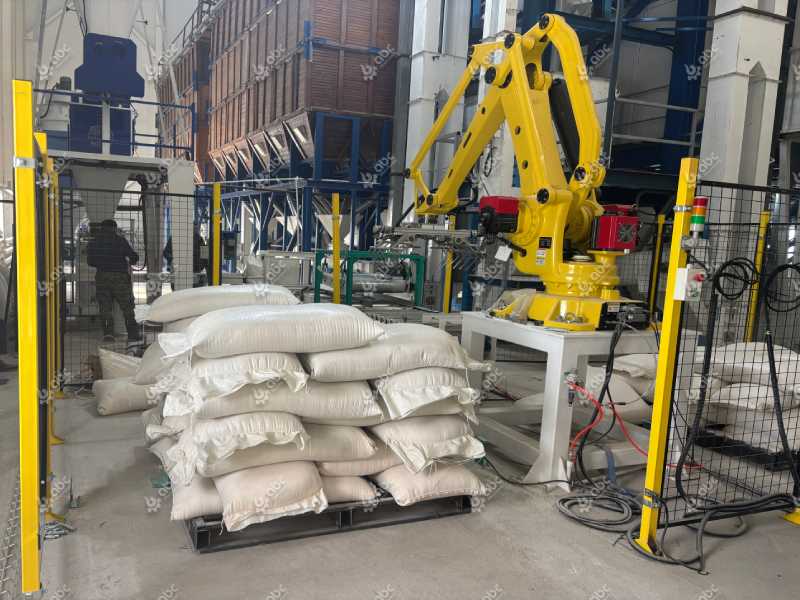
Packing Scale of the Mash Feed Bagging Section
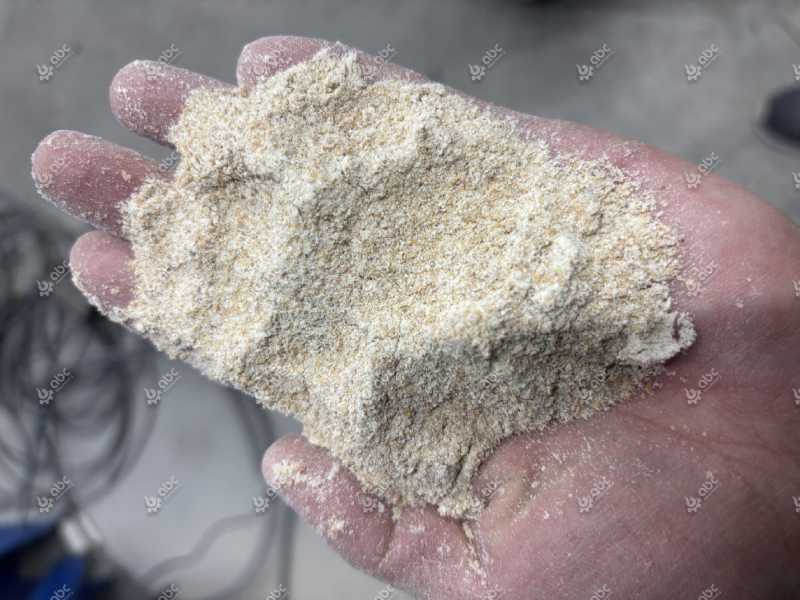
Finished Mash Feed for Laying Hens
The customer highly praised ABC Machinery's products and services. They confirmed that the equipment delivers stable and reliable performance with easy operation and proper prices, and that the automatic batching system has greatly improved batching accuracy and production efficiency. The customer was also impressed with our professional support team, appreciating their patient responses and timely issue resolution, which has left them highly satisfied. ABC Machinery is committed to providing one‑stop engineering and construction services to global clients. The successful delivery of this project again demonstrates our professional capability in feed mill engineering.
If you are interested in this project or would like detailed information about a similar animal feed mill plant, please contact us. We will provide more information and a professional solution. ABC Machinery looks forward to cooperating with you.

Kazakhstan Feed Market: Strong Fundamentals for Growth
Before building an animal feed mill plant in Kazakhstan, it is worth understanding the local feed market. Kazakhstan combines abundant grain supply with a large and growing livestock sector, making it one of the most promising feed markets in Central Asia.
Abundant Grain Supply
Kazakhstan is one of the world's major wheat and barley producers and exporters, which keeps raw‑material costs for feed milling relatively low and supply stable.
Large Livestock Population
Cattle, sheep, goats and horses form a traditional livestock base, while the poultry sector continues to expand, generating steady and diversified demand for mash and compound feed.
Government Support for Livestock & Feed Development
The government promotes livestock modernization and domestic livestock feed production through subsidy, credit and technical programs, encouraging investment in modern feed processing capacity.
Modernization Gap
Much existing feed production still relies on manual or semi‑automatic processes. Automated batching and mixing lines offer a clear advantage in consistency, accuracy and throughput.
Why Build an Animal Feed Mill Plant in Kazakhstan?
Kazakhstan offers unique advantages for a small feed mill investment, combining raw‑material access, market demand and policy support.
Strategic Location Connecting Multiple Markets
Kazakhstan sits at the center of Central Asia, bordering Russia and China and connecting to the wider Eurasian market, which shortens supply chains and lowers logistics cost.
Low‑Cost Raw Material Advantage
As a major grain exporter, Kazakhstan offers feed millers direct access to competitively priced wheat, barley and feed ingredients.
Growing Domestic Demand
Livestock and poultry expansion continues to raise demand for quality compound and mash feed, supporting a stable local customer base for a poultry feed plant.
Technology Transfer and Efficiency Gains
Introducing PLC automatic batching replaces manual weighing and mixing, improving batching accuracy and batch‑to‑batch consistency while reducing labor input.
Government Incentives
Agricultural and feed development programs provide a supportive policy environment for new feed processing investment.
Key Investment Considerations for a Feed Mill Plant in Kazakhstan
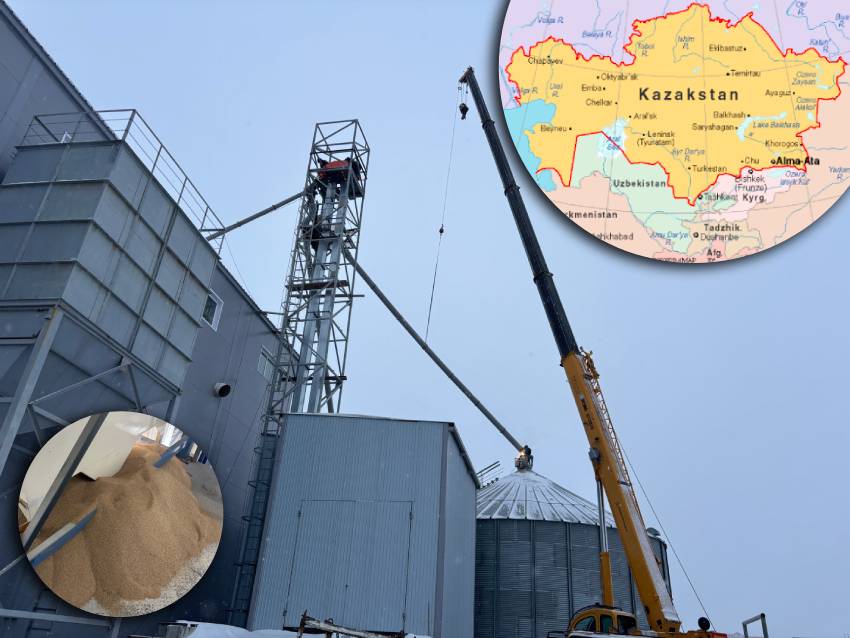
10TPD Animal Feed Mill Plant Layout in Kazakhstan
Investing in a feed mill requires evaluating several cost and operational factors beyond the equipment itself.
-
Land and Construction Costs: Costs vary significantly by location, with urban sites typically higher than rural areas.
-
Equipment and Machinery Costs: A complete 10TPD mash feed production line requires a hammer mill, rotary screen, batching and mixing system, packing machine and palletizer. ABC Machinery, as a feed mill machine manufacturer, can supply these at factory prices with professional after‑sales service.
-
Raw Material Costs: Feed production costs are driven by grain prices, supply stability and seasonal fluctuation.
-
Labor Costs: A PLC‑controlled automatic batching line reduces the number of operators required per shift compared with manual weighing and mixing.
-
Logistics and Transportation: Trucking, warehousing and distribution costs should be factored in, especially for regions with longer transport distances.
-
Energy and Water: Grinding and mixing are power‑intensive; electricity cost and supply reliability are key operating considerations.
-
Licensing and Tax: Setting up a feed mill requires registration, permits, import duties on machinery, and local taxes.
This completed 10TPD automatic batching mash feed plant in Kazakhstan fully proves ABC Machinery’s mature technology and reliable turnkey service for small-scale feed mill projects. If you are planning to build a similar automatic mash feed production line with PLC automatic batching, precise weighing, stable grinding and full-process automatic packaging and palletizing, our tailored feed mill solution is exactly what you need. We provide free project layout design, equipment list matching, budget estimation, on-site installation guidance, commissioning and long-term after-sale. Send us your inquiry now to get the latest factory price, detailed process flow proposal and customized solution for your local feed production business!
 Feed Processing Technology