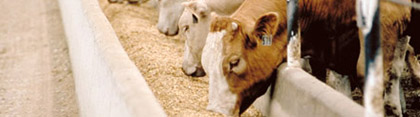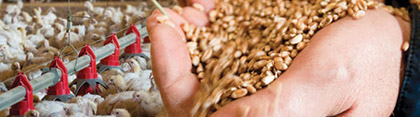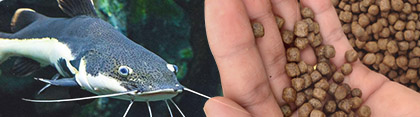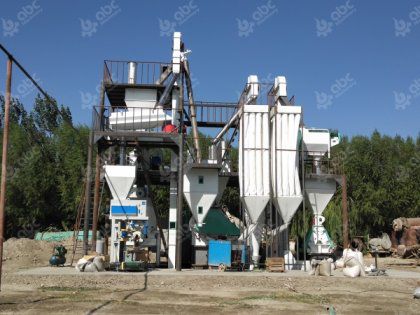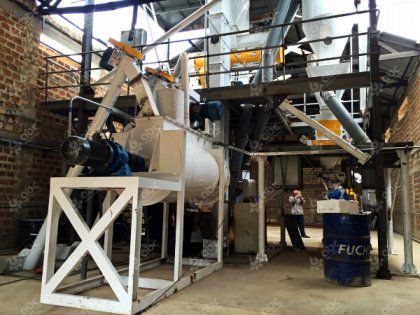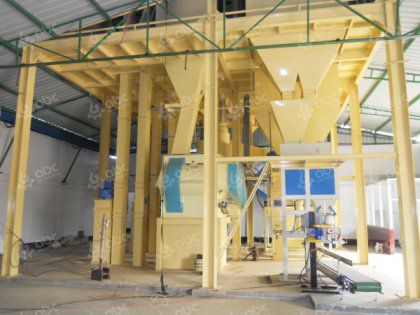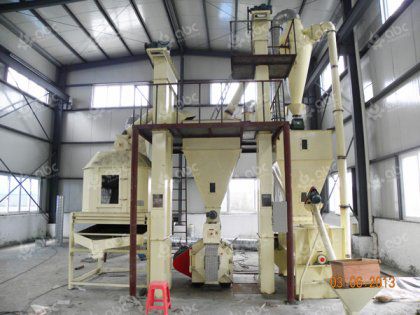
Amid the global trend of large-scale livestock and poultry farming, the feed industry—an essential link in the agricultural chain—boasts unprecedented market dividends. Data shows that global industrial feed production exceeded 1.2 billion tons in 2024, with steady growth in demand for poultry, livestock, and aquatic feed. Particularly in regions with concentrated small and medium-sized farmers, there is a significant gap in localized, customized feed supply. For entrepreneurs, a feed mill project offers unique advantages: strong rigid demand, stable cash flow, and robust policy support.
With flexible capacity options—from small-scale plants (0.5-1 tons per hour) to industrial facilities (1-10+ tons per hour)—it caters to diverse investment budgets, emerging as a low-risk, high-potential entrepreneurial venture.
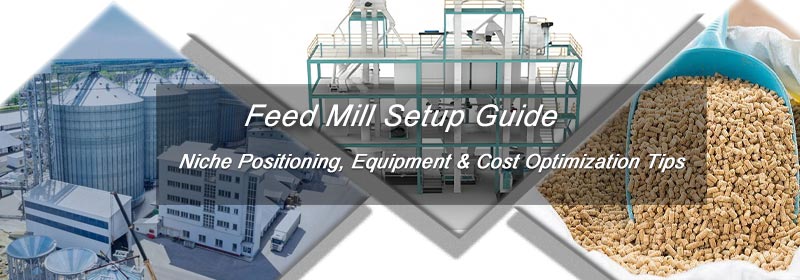
3 Core Steps to Build a Profitable Feed Mill: Positioning to Operation
However, many aspiring entrepreneurs face dilemmas: getting stuck in site selection and environmental assessments, making poor equipment choices, struggling with cost accounting, or failing to market their products. The core logic of building a profitable feed mill lies in “precise positioning + standardized implementation + refined operation.” Follow this actionable roadmap to navigate the journey from setup to profitability seamlessly.
- Cattle Feed Pellet Making Business Price Trend and Forecast
- Complete Industrial Feed Pellet Mill Business Project Report
- Starting Cattle Feed Pellet Production Business Investment Potential
- selection of equipment for setting up a feed mill plant
- Small Poultry Feed Mill Machinery Design and Layout
- how to set up a poultry feed plant
Three Core Steps to Building Your Feed Mill
-
1. Niche Positioning: Small but Profitable or Large-Scale and Competitive?
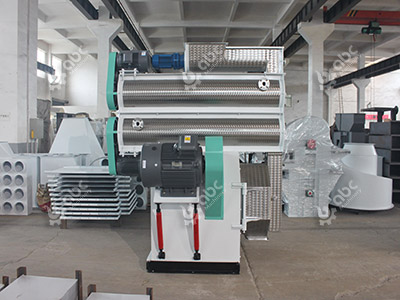
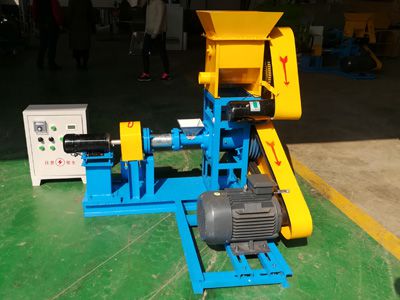
Avoid the trap of “trying to be all things to all people” in the early stages. For budget-constrained entrepreneurs, a small-scale poultry feed mill (0.5-1 tons per hour) is ideal. Focus on serving local smallholder farmers, leveraging “cost-effectiveness + door-to-door delivery” to gain market share.
For those with substantial capital , an industrial-grade feed mill can target medium-sized farms, offering “customized formulas + bulk supply” services. Conduct thorough local market research: identify dominant livestock/poultry breeds (chickens, pigs, cattle, fish), assess unmet feed needs, and analyze competitors’ pricing strategies to avoid homogeneous competition.
-
2. Equipment Selection: Practicality First, Avoid Over-Investment
Equipment is the backbone of your feed mill, directly impacting production costs and product quality.
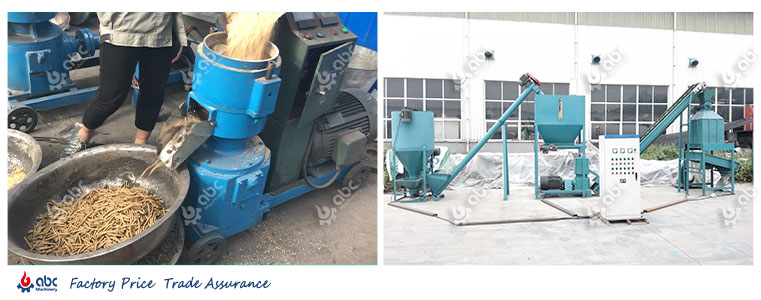
Cost-Effective Mini Feed Machine for Small-Scale Profitable Production
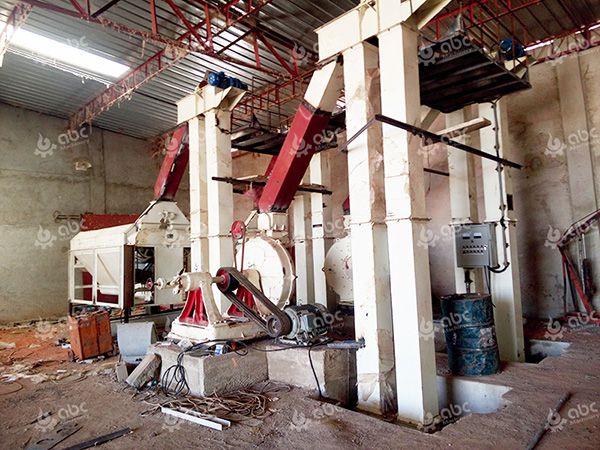
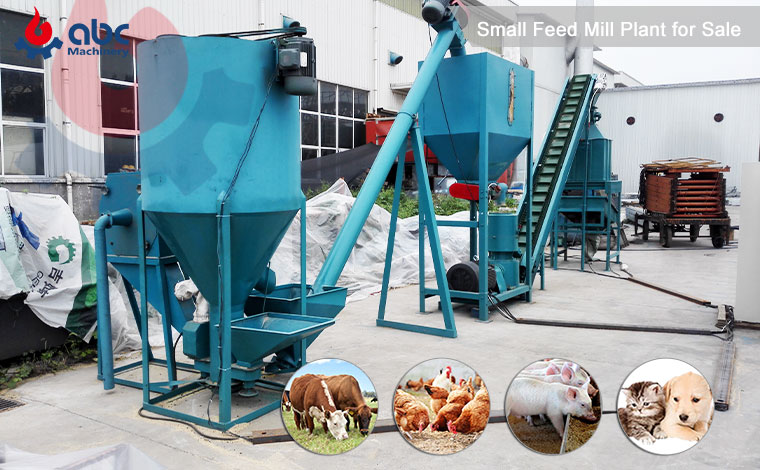
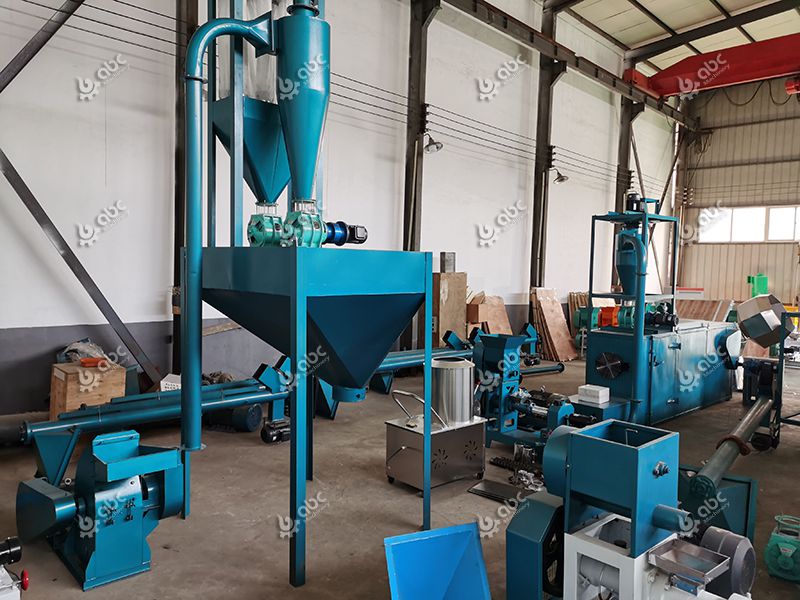
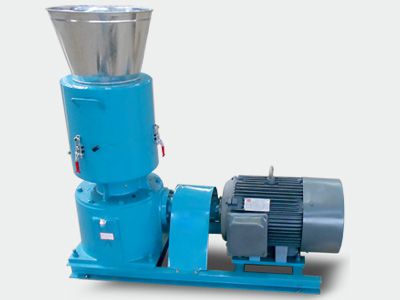
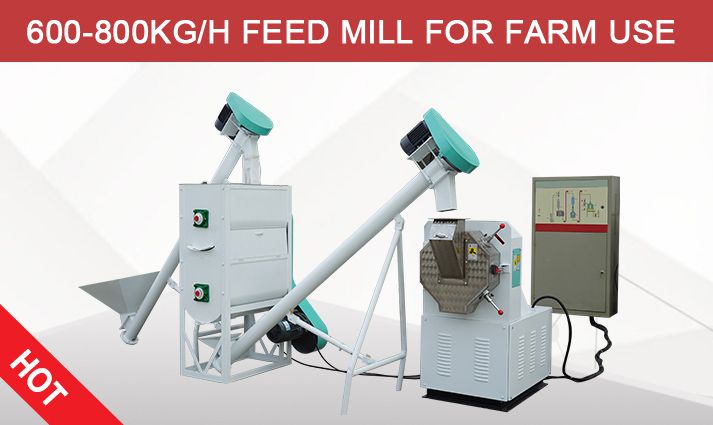
Small-scale feed pellet production plants should prioritize a core equipment package: crusher, mixer, pellet mill, and cooler. Opt for ring die pellet machines—renowned for high efficiency and superior pellet quality.
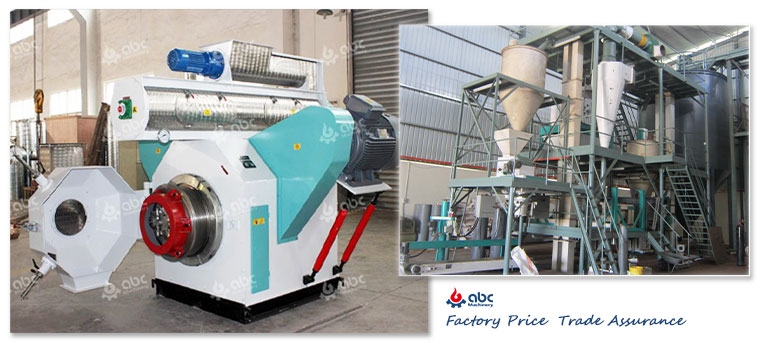
Superior Pellet Quality & Energy-Saving for Feed Mill Profitability
Industrial animal feed making facilities require additional automated batching, packaging, and testing equipment. Smart equipment (e.g., automated ingredient mixing systems) can reduce labor costs significantly.
Key principles: match equipment capacity to market demand to avoid underutilization, and choose suppliers offering after-sales maintenance to minimize downtime losses.
-
3. Cost Accounting: Spend Wisely to Maximize Profits
Cost control is critical to profitability. Break down initial investments clearly:
-
factory rental
-
equipment procurement
-
certification fees
-
raw material reserves
Optimize three key operational costs:
1. Raw material procurement (accounting for 60%-70% of total costs—sign long-term contracts with local grain enterprises to mitigate price volatility)
2. Energy consumption (choose energy-efficient equipment and optimize production schedules)
3. Labor (3-5 staff suffice for small plants; automation reduces staffing needs for industrial facilities)
For a 1-ton-per-hour small poultry feed mill, the investment potential and profitability are remarkable—want to learn about the total initial investment, payback period, and other key details? Contact ABC Machinery today for personalized consulting!

From Setup to Profit: Avoid These Common Pitfalls
-
1. Prioritize Compliance to Prevent Disruptions
Environmental compliance and certifications are non-negotiable. Select a site away from residential areas and water sources, reserving space for dust and wastewater treatment facilities. Secure essential certifications in advance: business license, feed production license, and inspection and quarantine registration. Many regions offer agricultural entrepreneurship subsidies (up to 10%-20% of total investment)—research local policies to reduce initial financial pressure.
-
2. Technology as a Core Competitiveness
Feed quality directly drives customer retention. Collaborate with local agricultural research institutes to develop formulas tailored to local livestock breeds (e.g., high-amino-acid poultry feed, high-energy cattle feed) to enhance feed conversion rates. Establish a simple quality control process: test raw materials for moisture and impurities upon arrival, and verify nutrient content of finished products before delivery to avoid quality-related customer loss.
-
3. Channel Development: Break Through to Expand Market Reach
Adopt a “precision outreach + word-of-mouth marketing” strategy for initial market penetration:
-
1) Partner directly with local farms, offering free samples and technical guidance (e.g., livestock farming training);
-
2) Collaborate with local veterinarians and farming cooperatives to leverage their credibility for referrals;
-
3) Build an online presence (short videos, industry platforms) to attract customers from wider regions. Diversify revenue streams: in addition to bulk sales, offer custom processing services for small farmers to maximize capacity utilization.
Key Metrics Comparison: Small-Scale vs. Industrial Feed Mills
| Feed Mill Scale | Small-Scale (1-5 TPH) | Industrial-Grade (10+ TPH) |
|---|---|---|
| Capacity | 1-5 tons per hour | 10+ tons per hour |
| Initial Investment | $40,000-$80,000 | $100,000-$500,000 |
| Core Equipment | Crusher, mixer, ring die feed pellet machine, cooler | Automated crusher, batcher, high-capacity feed pellet machine, packaging & testing systems |
| Key Operational Costs | Raw materials (60%), labor (20%), energy (10%) | Raw materials (65%), energy (15%), labor (10%), maintenance (5%) |
| Target Customers | Local smallholder farmers, backyard breeders | Medium-to-large farms, feed distributors |
| Gross Profit Margin | 20%-30% | 25%-35% |
| Payback Period | 6-12 months | 12-24 months |
| Ideal Manufacturers/Suppliers | Budget-friendly, after-sales-focused suppliers | Industrial-grade equipment manufacturers with customization support |
Seize the Opportunity to Build a Profitable Feed Mill
Starting a feed mill is not a high-barrier endeavor but a replicable, tangible business with low risk and high growth potential. The key is to adhere to three core principles: precise positioning, standardized implementation, and refined operation—while avoiding common pitfalls in site selection, equipment procurement, compliance, and marketing. As the trend toward large-scale livestock farming accelerates, the rigid demand for feed creates a vast market opportunity. Whether you are a first-time entrepreneur or an industry professional seeking transformation, starting with a niche market and scaling steadily will lead to sustainable profitability in the feed industry.
Take action now to leverage industry dividends and build your profitable feed mill! In subsequent columns, we will dive deeper into equipment selection, formula technology, financing solutions, and more—supporting your journey from “factory setup” to “thriving business.”
 Feed Processing Technology